TL;DR:
- A game development career involves coding, debugging, and optimizing software to create playable games. It emphasizes technical skills like C++, C#, and engine experience, along with strong collaboration and problem-solving abilities. Progression typically moves from generalist roles to specialized programming areas, requiring a documented portfolio and active networking.
A game development career is defined as a professional path centered on transforming game concepts into fully playable software through programming, asset integration, debugging, and optimization. This is distinct from a game designer role, which focuses on creative direction and mechanics. Game developers write the code that makes everything work, using languages like C++, C#, and scripting tools inside engines like Unity and Unreal Engine. They collaborate daily with artists, designers, and QA teams across every phase of production. If you are weighing a career in gaming, this guide covers the skills, education paths, daily realities, and progression routes you need to know.
What is a game development career, really?
A game development career is built on turning ideas into code that runs, renders, and responds in real time. Developers implement gameplay features, integrate assets from artists, and fix the bugs that QA teams surface. The work is technical, iterative, and deeply collaborative.
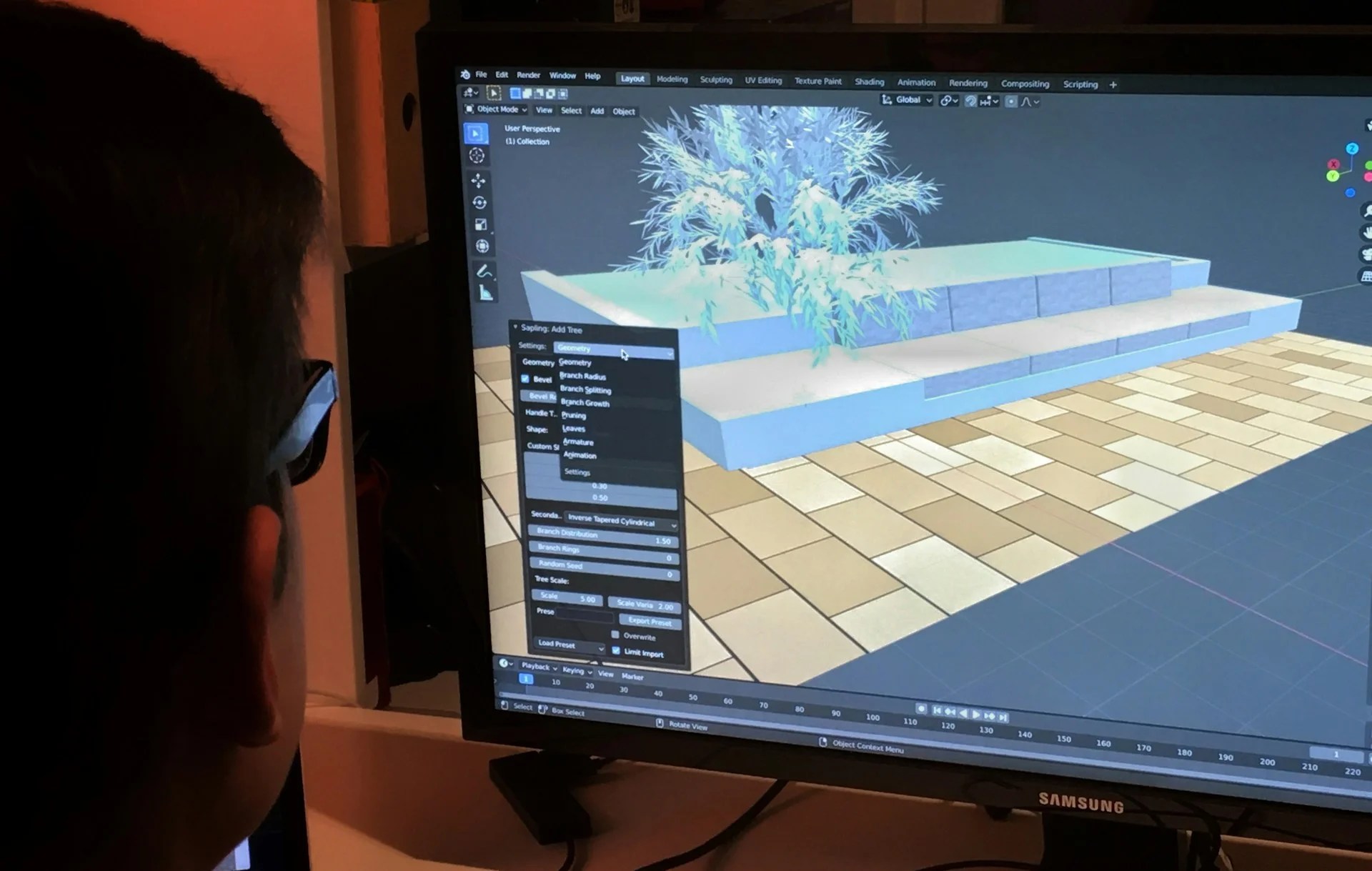
One distinction matters early: game developers and game designers are not the same role. Developers implement code for gameplay, graphics, physics, and networking. Designers focus on game concepts, storyboarding, and user experience. Newcomers often conflate the two, which leads to misaligned job applications and wasted preparation time.
The industry also operates at very different scales. A AAA studio like Activision Blizzard or Ubisoft runs teams of hundreds across specialized departments. An indie team might have three people sharing every responsibility. Understanding indie game environments versus large studio structures helps you target your career path from the start.
Game development production follows three phases: pre-production, production, and testing/launch, often lasting 18–36 months for AAA titles. That timeline means developers must sustain focus and quality across long cycles, not just sprint to a finish line.
What skills do game developers actually need?
Strong programming skills are the foundation of every game development job. Employers prioritize C++ and C# with practical engine experience in Unity or Unreal Engine. Senior gameplay programmers often require six or more years of experience and deep knowledge of engine-specific patterns. That bar is high, but it is reachable with deliberate practice.
Here are the core technical skills you need to build:
- C++ proficiency for Unreal Engine roles, covering memory management and performance-critical systems
- C# fluency for Unity projects, including MonoBehaviour patterns and the Unity job system
- Debugging and profiling using tools like Visual Studio, RenderDoc, or Unreal Insights
- Physics and AI implementation for gameplay systems
- Version control with Git or Perforce, which is standard in every professional studio
- Agile development practices, including sprint planning, daily standups, and iterative builds
Soft skills matter just as much as technical ones. Developers transform designers’ ideas into functioning code and collaborate extensively across disciplines. You will spend a significant portion of your day in conversation, not just at a keyboard.
Pro Tip: Engine-specific language expertise drives hiring decisions. Tailor your resume and portfolio to the engine used by studios you are targeting. Listing “Unity and Unreal” generically is weaker than demonstrating shipped work in one engine.
How do you break into game development?
Getting your first game development job requires a combination of formal education, a strong portfolio, and active networking. No single path guarantees entry, but the most successful candidates combine all three.
- Earn a relevant degree. Computer science, software engineering, and dedicated game development programs at schools like DigiPen Institute of Technology or Full Sail University all provide strong foundations. A degree signals baseline competency to recruiters.
- Build playable projects immediately. Studios prioritize demonstrable skills over credentials alone. A GitHub repository with three polished, playable games outweighs a transcript in most hiring conversations.
- Document your process, not just your output. Hiring managers value evidence of problem-solving and teamwork in portfolios. Show your decision-making: why you chose a particular architecture, how you fixed a performance bottleneck, what you learned from a failed mechanic.
- Pursue internships and game jams. Events like Ludum Dare and Global Game Jam produce real shipped projects under pressure. Studios notice candidates who participate consistently.
- Engage the community. Forums like the Unity Community, Unreal Developer Network, and Discord servers for specific engines put you in contact with working developers. Referrals remain one of the most reliable entry points into the industry.
Pro Tip: Relying solely on credentials is insufficient. A balanced portfolio, education, and professional network together create the strongest case for hiring. Pick one engine, build three complete projects, and document every step.
Courses from Coursera, Udemy, and Unity Learn provide structured skill-building for self-directed learners. These are not substitutes for a degree, but they accelerate specific skills like shader programming or AI behavior trees faster than most academic curricula.
What does a typical day look like for a game developer?
A game developer’s day is structured around the current sprint cycle and the production phase the team is in. Pre-production days involve prototyping systems and evaluating technical feasibility. Production days are dense with feature implementation, code reviews, and integration work. Post-launch days shift toward bug fixes, performance patches, and platform-specific issues.
Daily tasks include implementing gameplay systems, debugging crashes reported by QA, optimizing performance, and participating in agile sprint cycles. A developer might spend the morning fixing a physics collision bug flagged overnight, attend a sprint review at midday, and spend the afternoon implementing a new enemy AI behavior.
“Senior gameplay programmers dedicate significant time to iteration, debugging, and optimizing following QA feedback loops, underscoring a cycle beyond just coding.” – BHVR Senior Gameplay Programmer Job Post
Collaboration is constant
You will work directly with artists to integrate assets without breaking frame rate targets. You will sit with designers to translate a mechanic description into working code. You will review QA reports and reproduce bugs before fixing them. The stereotype of a lone programmer is inaccurate. Game development is a team sport, and communication is a daily requirement.
Tools define the workflow
Version control with Perforce or Git keeps large teams from overwriting each other’s work. Build pipelines using Jenkins or similar tools automate testing and deployment. Profiling tools like Unreal Insights or Unity’s Profiler help developers find and fix performance problems before they reach players. Understanding how gaming APIs work becomes relevant quickly once you are integrating platform services, achievements, or multiplayer systems.
How do you progress and specialize in this field?
Game developer career progression is not linear. Early generalist roles are common, with specialization increasing after roughly three years. The table below maps the typical stages and what each demands.
| Career Stage | Years of Experience | Primary Focus | Key Skills |
|---|---|---|---|
| Junior Developer | 0–3 years | Broad fundamentals | C++/C#, basic engine use, bug fixing |
| Mid-Level Developer | 3–6 years | Feature ownership | System design, optimization, code review |
| Senior Developer | 6+ years | Technical leadership | Architecture, mentoring, cross-team coordination |
| Lead / Principal | 8+ years | Strategic direction | Roadmap planning, hiring, engine-level decisions |

Early career generalists are valuable for smaller teams that need broad skills. Specialization typically drives advancement at larger studios. The three most common programming specializations are gameplay programming, tools programming, and engine programming.
Gameplay programmers build the systems players interact with directly: movement, combat, AI, and progression. Tools programmers create internal software that speeds up the work of artists and designers. Engine programmers work at the lowest level, optimizing rendering, physics, and platform performance.
The game designer career path runs parallel but separately. Designers move from junior designer to lead designer roles, focusing on systems design, level design, and narrative. If you find yourself more drawn to mechanics and player experience than to code, that path may suit you better. Knowing the distinction early saves years of misdirected effort.
Portfolio quality, shipped project experience, and professional networking are the three factors that most consistently influence promotion and hiring at every stage. A developer with a strong GitHub history and two shipped titles moves faster than one with equivalent years but no public work.
Key takeaways
A game development career requires programming expertise, a documented portfolio of playable work, and consistent collaboration across disciplines to advance from entry level to specialization.
| Point | Details |
|---|---|
| Core definition | Game developers code, debug, and optimize software to turn concepts into playable games. |
| Skills that get you hired | C++ for Unreal and C# for Unity dominate hiring; engine-specific experience beats general lists. |
| Portfolio over credentials | Playable projects with documented decision-making outperform degrees alone in most studio hiring. |
| Career progression | Generalist roles cover years 0–3; specialization in gameplay, tools, or engine programming drives advancement after that. |
| Daily reality | Agile sprints, QA feedback loops, and cross-discipline collaboration define the workday at every level. |
What i’ve learned after years covering this industry
The biggest misconception I see from people entering game development is that passion for games is the primary qualification. It is not. Studios hire engineers who can ship reliable code under pressure, communicate clearly with non-technical teammates, and iterate without ego. Passion helps you survive the long hours. Technical discipline is what gets you the job.
The second thing I have noticed is that people underestimate how much of this career is about reading other people’s code. You will spend more time understanding existing systems than writing new ones, especially in your first three years. Get comfortable with that reality early. Read open-source game projects. Study how Unity’s sample projects are structured. Reverse-engineer a mechanic you admire.
The third lesson is that the industry rewards people who ship. A finished game jam entry beats an unfinished passion project every time. Hiring managers at studios like Naughty Dog, Insomniac Games, and CD Projekt Red have said publicly that they look for evidence of completion. Start small, finish it, and move on to the next one. That habit compounds faster than any course or certification.
— Mark
Stay ahead with HayBo’s gaming and tech coverage
HayBo covers the gaming industry with the depth that aspiring developers actually need. From platform shifts to developer tooling news, the gaming news and reviews section tracks what is changing in real time. If you want to understand the hardware side of where games are heading, HayBo’s coverage of Intel’s handheld gaming processors at Computex 2026 shows how platform decisions shape what developers build next. For practical guidance on tools, platforms, and career resources, explore gaming guides and comparisons to build the context that turns technical skills into career decisions.
FAQ
What does a game developer do every day?
A game developer implements gameplay features, debugs issues reported by QA, optimizes performance, and participates in agile sprint cycles. Daily work spans coding, build reviews, and direct collaboration with designers and artists.
What programming languages do game developers need?
C++ and C# are the two primary languages in the industry. C++ dominates Unreal Engine roles while C# is standard for Unity development.
Do you need a degree to get a game development job?
A degree in computer science or software engineering helps, but studios prioritize a strong portfolio of playable, documented projects. Demonstrable skills consistently outweigh credentials in hiring decisions.
How long does it take to become a senior game developer?
Senior gameplay programmer roles typically require six or more years of experience. Most developers spend the first three years in generalist roles before specializing in gameplay, tools, or engine programming.
What is the difference between a game developer and a game designer?
Game developers write the code that powers gameplay, graphics, physics, and networking. Game designers focus on creative direction, mechanics, and player experience without necessarily writing production code.